
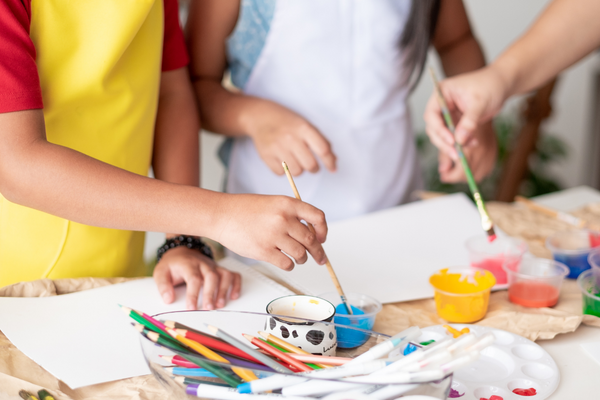
The Physical Benefits of Arts Education
While not immediately obvious, the arts also contribute to a child’s physical development. Fine motor skills are honed through activities like drawing, painting, and playing musical instruments. Gross motor skills are developed through dance, drama, and movement-based activities.
Fine Motor Skill Development
Activities like drawing, painting, and sculpting help children develop the small muscles in their hands and fingers, improving their dexterity and hand-eye coordination. These skills are not only crucial for artistic expression but also for everyday tasks like writing, tying shoes, and using utensils.
Gross Motor Skill Development
Dance, drama, and other movement-based art forms enhance gross motor skills, balance, and coordination. These activities encourage physical activity, promote healthy body awareness, and contribute to overall physical well-being.
Arts Integration in Education
Integrating arts into other subjects can make learning more engaging and effective. Imagine learning about history through dramatic reenactments or exploring scientific concepts through visual arts projects. This interdisciplinary approach not only strengthens understanding but also fosters creativity and critical thinking. “Art washes away from the soul the dust of everyday life,” said Pablo Picasso, highlighting the refreshing and enriching power of artistic engagement.

Leave a Reply