
Skip to the content

  • Home
  • Interactive Learning
  • Life Skills for Kids
  • Parenting Science
  • Newsletter

  • Home
  • Interactive Learning
  • Life Skills for Kids
  • Parenting Science
  • Newsletter

  • Home
By 0 Comment

Why Local Pronunciation Matters in Children’s Reading Programs

Parenting Science

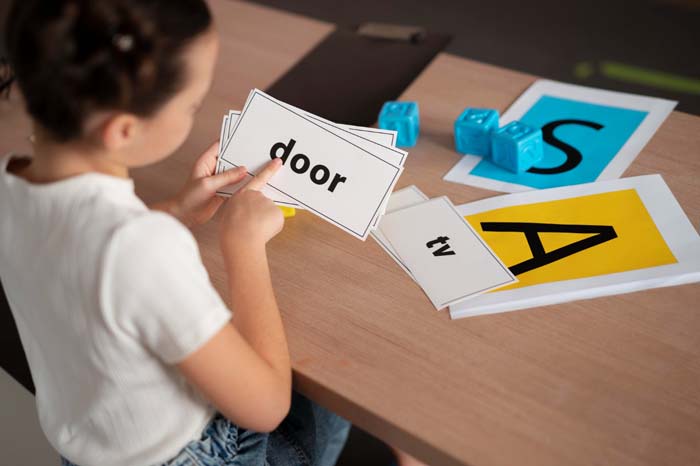
When 4-year-old Emma first started using online reading programs, her mother Sarah noticed something puzzling. Despite Emma’s enthusiasm for learning, she would often hesitate when words were pronounced differently than

Continue readingWhy Local Pronunciation Matters in Children’s Reading Programs
By 0 Comment

5 Fun Literacy Games Your Child Will Love

Parenting Science

Most parents are keenly aware of the importance of literacy in their child’s life. But what about the importance of making literacy and reading fun? Play naturally encourages learning, so

Continue reading5 Fun Literacy Games Your Child Will Love

By 0 Comment

Reading Games – Make Learning Fun for Kids

Parenting Science

Reading games for kids help to unlock the magic of reading through play. Mary Poppins was right: “In every job that must be done there is an element of fun.

Continue readingReading Games – Make Learning Fun for Kids

By 0 Comment

The Role of Arts in Child Development

Life Skills for Kids

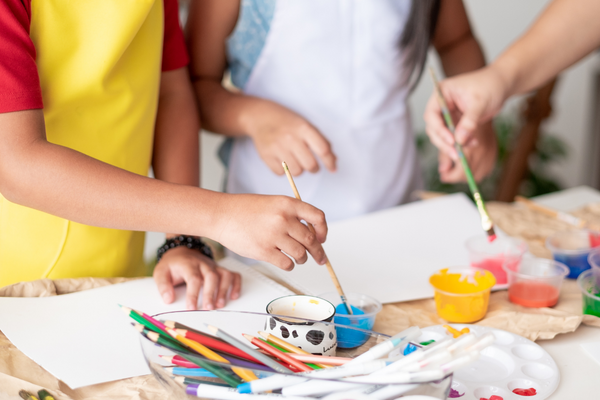
Have you ever watched a child completely engrossed in drawing, singing, or dancing? Their faces light up, their imaginations soar, and they’re entirely present in the moment. This isn’t just

Continue readingThe Role of Arts in Child Development

By 0 Comment

The Physical Benefits of Arts Education

Interactive Learning

While not immediately obvious, the arts also contribute to a child’s physical development. Fine motor skills are honed through activities like drawing, painting, and playing musical instruments. Gross motor skills

Continue readingThe Physical Benefits of Arts Education

By 0 Comment

Fun and Educational Learning Games Kids Can Play for Free

Parenting Science

If you’re like most parents, you probably keep an eye out for fun, online educational games that can keep your children busy and entertained without the screen-time guilt. Kids’ learning

Continue readingFun and Educational Learning Games Kids Can Play for Free

By 0 Comment

Educational games and toys for kids: Are they effective?

Parenting Science

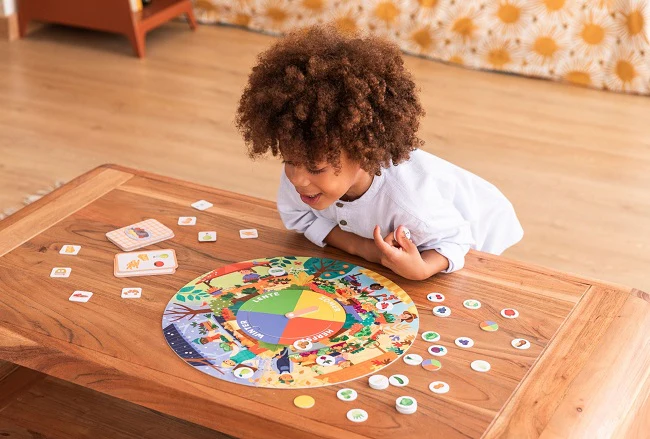
Throughout most of human history, children got little or no formal instruction. Instead, they learned by imitation, and by honing new skills through pretend play (Lancy 2008). Today, we know

Continue readingEducational games and toys for kids: Are they effective?

By 0 Comment

The Impact of Technology on Learning

Interactive Learning

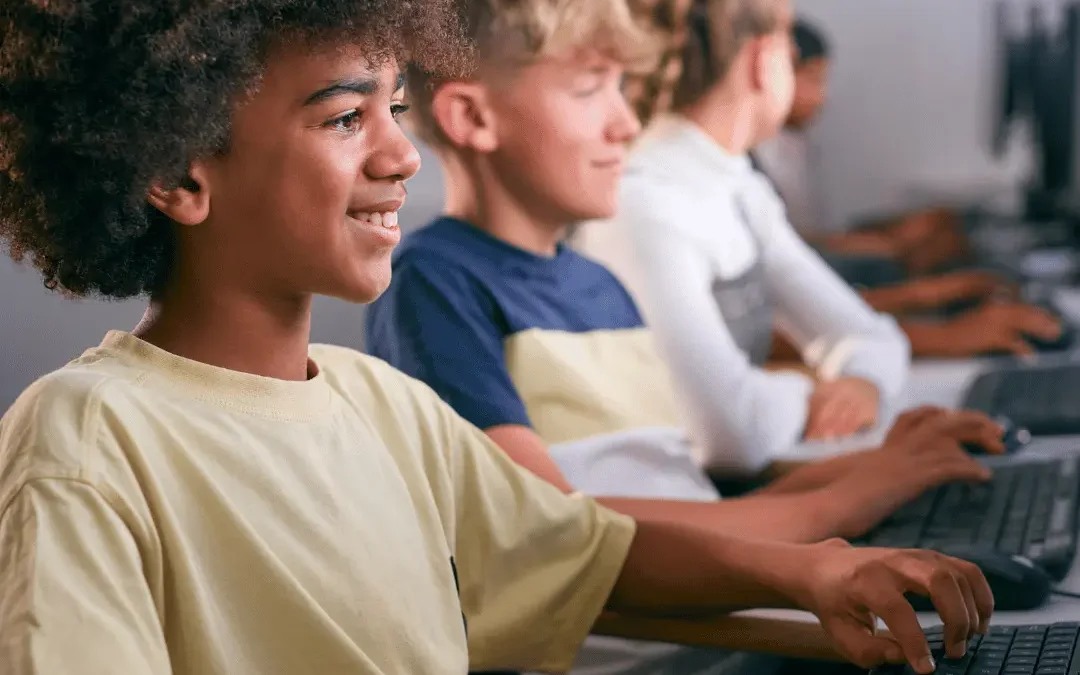
Technology has revolutionized how children access information and learn. In the past, students relied primarily on textbooks and traditional classroom instruction. Today, digital tools such as online learning platforms, interactive

Continue readingThe Impact of Technology on Learning

By 0 Comment

How to educate a child?

Interactive Learning, Life Skills for Kids

There are a series of tips that you can follow to educate your children better According to psychology, to educate and teach correctly we can follow the following. 1. Observation

Continue readingHow to educate a child?

By 0 Comment

What are the best ways to educate a child?

Interactive Learning, Life Skills for Kids

According to psychologists, the education in children It must be reasonable, respectful, upright, disinterested and appropriate. Let’s look at these aspects carefully. Reasonable To educate and teach your children It

Continue readingWhat are the best ways to educate a child?

Posts pagination

1 2

Recent Posts

  • Why Local Pronunciation Matters in Children’s Reading Programs

  • 5 Fun Literacy Games Your Child Will Love
  • Reading Games – Make Learning Fun for Kids
  • The Role of Arts in Child Development
  • The Physical Benefits of Arts Education

Categories

  • Interactive Learning
  • Life Skills for Kids
  • Parenting Science

Children's Nonfiction Books – Access Thousands of Free Titles

When you think of children's books, popular literature genres like fantasy and adventure that capture the imagination might immediately come to mind. However, children's nonfiction books offer a wealth of benefits and can even be more exciting and interesting to some kids.

Nonfiction books for kids are a powerful way to encourage reluctant readers by tapping into their special interests.

They can also introduce young minds to new vocabulary words and fascinating facts about people, places, things, and events – building a child’s overall background knowledge in an engaging and age-appropriate way.

The Reading Eggs Library features thousands of nonfiction e-books for reading ages 5 to 12.

With so many titles to choose from, Reading Eggs makes it easy to find a diverse range of books that are age-appropriate and about subjects bound to interest your child.

Each book is leveled, meaning that it includes a recommended reading age and Lexile level.

However, kids shouldn't limit their book choice to only those recommended for their reading age. Nonfiction books don't have to be read from cover to cover.

Longer texts are split into clickable chapters, making it easy for children to navigate to the specific information they’re looking for.

They can also ask questions and refer to the diagrams and illustrations.

For early readers, the books include read-aloud audio so they can follow along and learn.

Comprehension quizzes at the end of each chapter and book assess your child’s understanding of the text. These are optional to complete, unless the book is assigned as part of a program lesson or end-of-map assessment.

Phonemic awareness develops through listening activities and sound manipulation exercises. Familiar pronunciation helps children identify and work with individual sounds more easily, supporting their ability to blend, segment and manipulate phonemes.

Phonics relies heavily on consistent letter-sound relationships. When pronunciation varies from a child's expectations, it can confuse these fundamental connections.

Vocabulary development accelerates when children can easily connect new words they hear to words they encounter in text. Unfamiliar pronunciation can create a disconnect, making it harder for children to build their vocabulary.

Fluency improves when children can read with natural rhythm and expression. Familiar pronunciation supports this natural flow, helping children develop the prosody that makes reading sound like natural speech.

Comprehension benefits when children aren't distracted by unfamiliar pronunciation patterns. When pronunciation feels natural, children can focus their attention on understanding meaning rather than processing unexpected sounds.

Follow For More :

  • About Us
  • Contact Us
  • Privacy Policy
  • Terms & Conditions
  • Unsubscribe
Copyright © 2025 Explore Beyond school. All rights reserved.