
Interesting Role Play Ideas For Kids, And Their Benefits
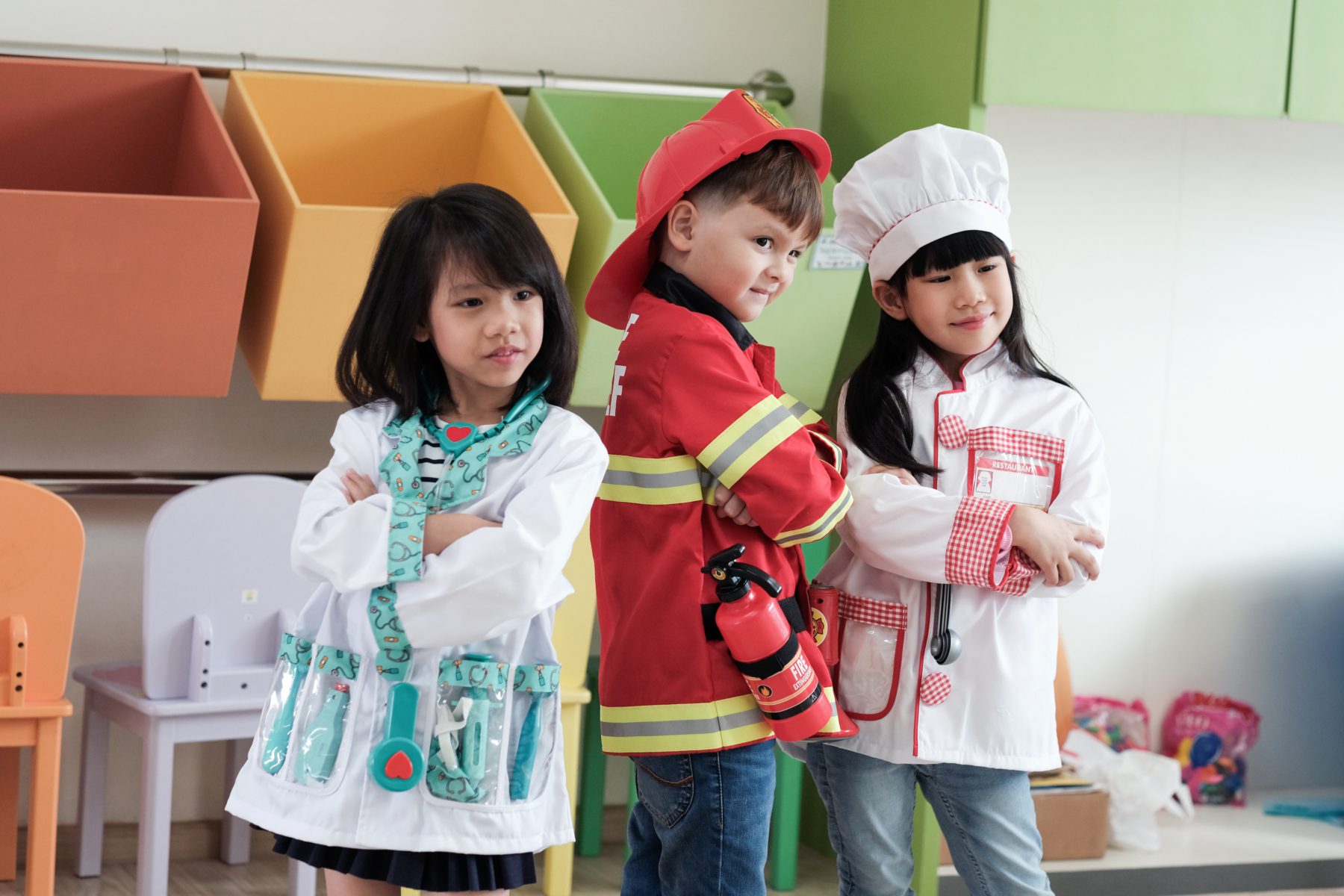
As kids, we have all had our share of games involving different role play, such as being a cook, a dog walker, a homemaker, or a baby. Here, we have listed some interesting role play ideas for kids that you can suggest if they have run out of ideas or are bored with the ones they have. Role-playing is all about creativity and imagination. It is also the best way to keep children engaged with different games. Pretend-playing kitchen, home, school, or any fantasy world allows them to imagine and develop scenarios by themselves. Read on to know about some more interesting role play topics that can add fun to their games.
Importance Of Role Play For Children
Role-playing for children is one of the best games to stimulate their creativity, expand their boundaries, and enhance their imagination.
Children create new worlds and scenes in their little heads and enact them. They learn about the world around them by watching, listening, tasting, and touching. When they are newborns, they know absolutely nothing and rely on their parents. However, as they grow, their senses develop, and they begin to form new impressions (1).
Encouraging your children to play roles will help in developing their sensory and social skills. They learn to make healthy choices and connections and solve real-life problems. Here are some reasons why role-playing is so important to children (2).
Role-playing or impersonation allows children to experience scenes that they would not face regularly. They also begin to understand their likes and dislikes, interests, and abilities. They can participate in skits, dramas, mimes, and plays if it piques their interest. Sometimes, role-paying may go a long way in determining a child’s future career.
Children act out what they have observed. They try to recreate their experience during the role play. This is what they do when they play with dolls. Children regard dolls as themselves and use dolls as models to express their experiences. Role-playing is a good way for children to express new ideas and feelings. They find it easier to express their ideas through games.
Children learn from their surroundings. Role-playing helps children develop social and emotional intelligence. They can also read social cues, regulate emotions, make decisions, and engage in fruitful activities.
Children learn complex skills like negotiation, bargaining, judgment, valuing opinions and ideas of others, making plans, and putting them to practice.
Children learn better when in social situations. They need opportunities to socialize with their peers or willing adults to combine learning skills and acquire new knowledge.
When children cannot go out, role-playing helps to meet their physical exercise requirements. During the formative years, children need to jump around on the pillow, climb, or run. Besides, role-playing helps develop gross and fine motor skillsi.

Leave a Reply