
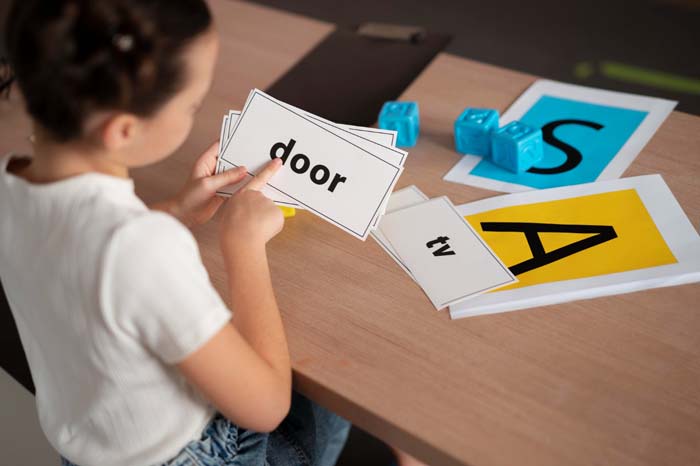
5 Fun Literacy Games Your Child Will Love
Most parents are keenly aware of the importance of literacy in their child’s life. But what about the importance of making literacy and reading fun? Play naturally encourages learning, so playing literacy games is a great way to get your children building their literacy skills in a way that feels organic and effortless.
According to the National Literacy Trust, “Play lays the foundation for literacy. Through play children learn to make and practice new sounds. They try out new vocabulary, on their own or with friends, and exercise their imagination through storytelling.”
Play can help your children to develop skills like phonics, phonemic awareness, vocabulary, reading comprehension and fluency – the five basic components of reading.
You’ll find that a little dash of fun goes a long way towards arming your children with the skills they need to talk, read and write. And it doesn’t have to be overly complicated either; sometimes just a simple five‑minute game is all you need to get those little minds working.
Below are some fun and engaging literacy games you can try with your kids today.
Top Five Literacy Games to Try at Home
Literacy games don’t have to be overcomplicated or boring. Let’s have a look at five simple games you can start playing with minimal to no resources – best of all, your kids will love playing them!
1. I Spy
A tried-and-true game that’s been keeping children around the world occupied for centuries, I Spy is an oldie but a goodie. Simply pick an object and describe it by using the first letter of the object or the color. For example, “I spy with my little eye, something that begins with the letter S.” Or, “I spy, with my little eye, something green.” You can start by working your way through the alphabet or the colors of the rainbow.
2. Take Turns Reading
This sounds quite simple, but alternating reading pages or paragraphs with your child can help keep them engaged in the storyline in addition to helping them expand their vocabulary and learn how to pronounce new words.
3. Write Out a Grocery List
This is a great way to get your child involved in a weekly activity and show them a practical application for writing. Ask your child to help you write down your grocery list as you go through the fridge and the cupboards, then have them to read it aloud to you at the store.
4. Plan a Scavenger Hunt
Compile a small list of simple items for your child to photograph and/or collect such as a flower, a stick or dirt. Meeting in a backyard or a local park, give your child a specific time limit and have them report back with the items they’ve found.
5. Play a DIY Literacy Game
Do-it-yourself games require a bit more effort but are generally hassle-free as long as you have your child’s spelling or vocabulary list handy. If not, you can always look online for age appropriate lists.

Leave a Reply