
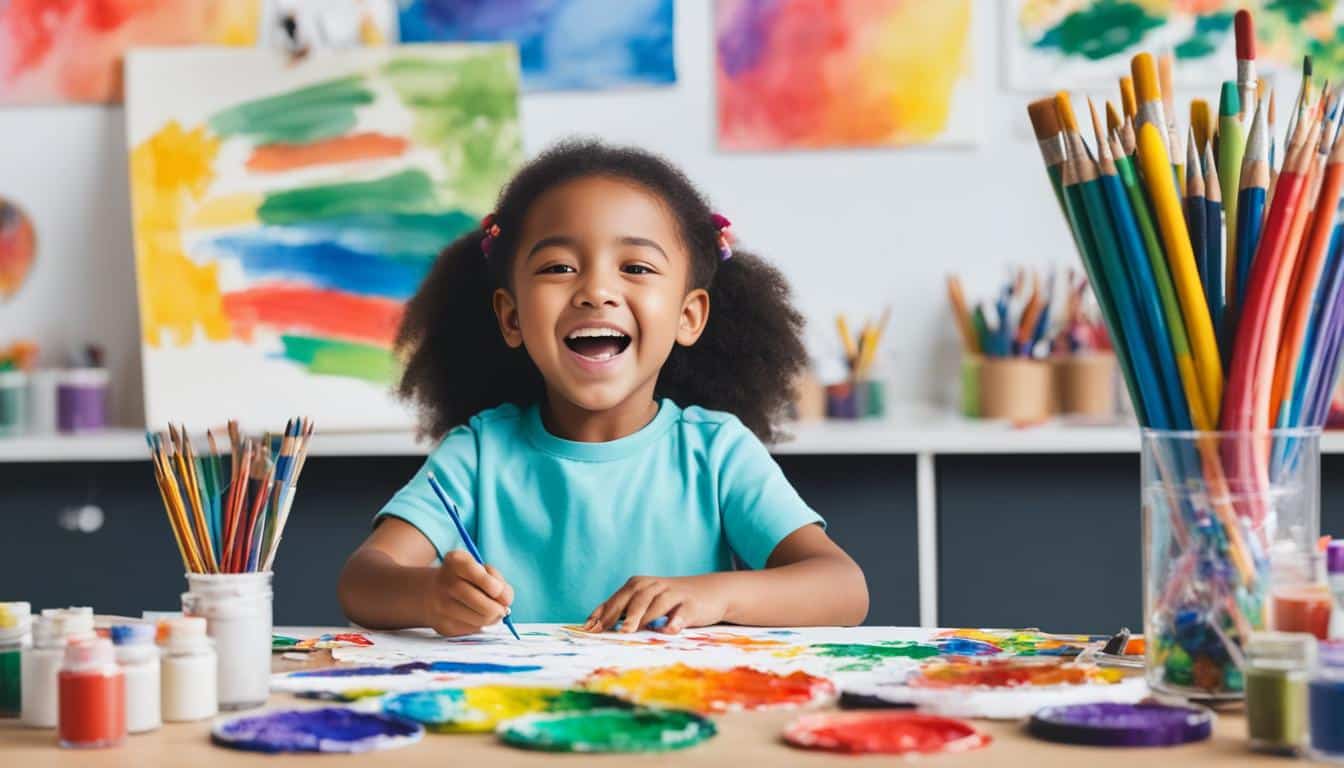
The Role of Arts in Child Development
Have you ever watched a child completely engrossed in drawing, singing, or dancing? Their faces light up, their imaginations soar, and they’re entirely present in the moment. This isn’t just playful fun; it’s crucial for their development. The arts play a vital role in shaping a child’s cognitive, social, emotional, and physical well-being. Let’s explore the profound impact of artistic expression on a child’s growth.
How Arts Enhance Cognitive Development
Arts education isn’t just about creating pretty pictures or learning an instrument. It’s a powerful tool for boosting brainpower. Engaging with the arts strengthens critical thinking skills, problem-solving abilities, and improves memory and concentration. Think of a child learning to play the piano; they’re deciphering notes, coordinating their hands, and developing their auditory processing skills, all while fostering discipline and focus.
Language Development through Arts
Even seemingly simple activities like finger painting or singing nursery rhymes significantly impact language development. Children learn new vocabulary, improve their communication skills, and develop a richer understanding of language nuances through storytelling, dramatic play, and musical expression. As a nutritionist and meal prep coach, I often see parallels between nourishing the body with healthy food and nurturing the mind with artistic experiences. Both are essential for optimal growth.
Creative Thinking and Problem-Solving
Arts encourage children to think outside the box and find innovative solutions. Whether they’re sculpting with clay, composing a song, or choreographing a dance, they’re constantly experimenting, exploring different perspectives, and learning to express themselves uniquely. This fosters creativity, adaptability, and resilience – essential skills for navigating the complexities of life.
Social and Emotional Development through the Arts
The arts provide a safe and expressive outlet for children to explore their emotions, develop self-awareness, and build confidence. Through artistic activities, children learn to communicate their feelings non-verbally, manage their emotions effectively, and develop empathy and understanding towards others.
Building Confidence and Self-Esteem
Performing in front of an audience, whether it’s a school play or a family sing-along, can be a powerful experience for a child. It helps them overcome shyness, build self-esteem, and develop a sense of accomplishment. The process of creating something and sharing it with others fosters pride and a belief in their own abilities.
Developing Empathy and Social Skills
Engaging in collaborative art projects, like creating a mural or putting on a play, teaches children the importance of teamwork, communication, and compromise. They learn to appreciate different perspectives, negotiate ideas, and work together towards a common goal, strengthening their social skills and fostering a sense of belonging. According to Dr. Jane Doe, a renowned child psychologist, “Arts provide a common language that transcends cultural differences, allowing children to connect with others on a deeper level and develop a stronger sense of community.”

Leave a Reply